Birdwatching in Jacó, Costa Rica: 20+ Birds You'd Never Expect to Find Here
By Brooke & Daphne Rochester | Pacific Properties Luxury Real Estate | October 2026
Ask most people what Jacó is known for and you'll hear surf, sunsets, and nightlife. Ask a serious birder, and you'll get a very different answer.
We've lived and worked on this coast for over 30 years, and one of our favorite things is watching the look on a visitor's face when a pair of scarlet macaws crosses the sky at breakfast. But the macaws, as spectacular as they are, are only the opening act. Within a short drive of town sit forest, mangrove, river, and open ocean, and together they hold birds that most people would never think to come to a beach town to find: hummingbirds found nowhere else on earth, a cotinga that looks like it was painted by hand, and manakins that snap their wings like firecrackers.
This is our local guide to what you can see, where, and when.
Quick Answers: Birdwatching in Jacó
- Is Jacó good for birdwatching? Yes. Birding site eBird lists more than 350 species recorded in the Jacó area, and Carara National Park, about 15 km north, is widely regarded as one of Costa Rica's top birding destinations.
- What's the best time of year? The dry season (December through April) is easiest for walking trails and tracking birds, and February through April is the best time for scarlet macaws. Northern migrants also winter here, so the winter months add species.
- What time of day? Early morning, from first light to about 9:00 a.m., when birds are most active, and late afternoon for macaws.
- Do I need a guide? Not required, but strongly recommended for Carara and the Tárcoles mangroves. A local guide will find birds you'd walk right past.
- Can I see rare birds near Jacó? Yes, including several species that are endemic to Costa Rica or limited to Costa Rica and Panama.
Why Jacó Is Such a Good Base for Birding
Jacó sits at a biological crossroads. Carara National Park, our neighbor to the north, marks the transition between Costa Rica's dry northwestern forests and the wetter rainforests of the south. That overlap means you can find species from both worlds in the same morning. Local tour operators report that Carara is home to nearly half of the country's bird species, in a country with more than 900 recorded species to begin with.
Add the Tárcoles River and its mangroves, Playa Hermosa's protected coastline, and the open Pacific, and you have rainforest, wetland, and seabird habitat all within 30 minutes of your front door. For a birder, that's an unusually efficient place to live. We've covered the wider picture of wildlife here in our Jacó Wildlife Guide; this post goes deep on the birds.
The Species List: Birds You Wouldn't Expect to See Near Jacó
The Famous One (You Already Know This One)
Scarlet Macaw. The headliner. Carara hosts one of the largest scarlet macaw populations in Costa Rica, and they regularly fly through our neighborhoods too. Best seen early morning or late afternoon, with February through April offering the best viewing during nesting season.
Rainforest and Canopy (Carara National Park and Nearby)
- Yellow-billed Cotinga. The star of the show for serious birders. This endangered, near-endemic species is found in the canopy near the Rincón River bridge area, and visiting birding groups regularly list it as a top target on this stretch of coast. The males are pure white with a bright yellow bill.
- Turquoise Cotinga. A shimmering, electric-blue canopy bird, often seen alongside its yellow-billed cousin by those who look carefully.
- Orange-collared Manakin. A regional endemic famous for its courtship display. Males gather at a lek and snap their wings in rapid bursts, a sound that surprises first-time visitors.
- Baird's Trogon. A strikingly colored regional endemic, often seen perched motionless on a trail-side branch.
- Black-cheeked Ant-Tanager. A true Costa Rican endemic, found only here. Highly sought after by birders, and notoriously skulking.
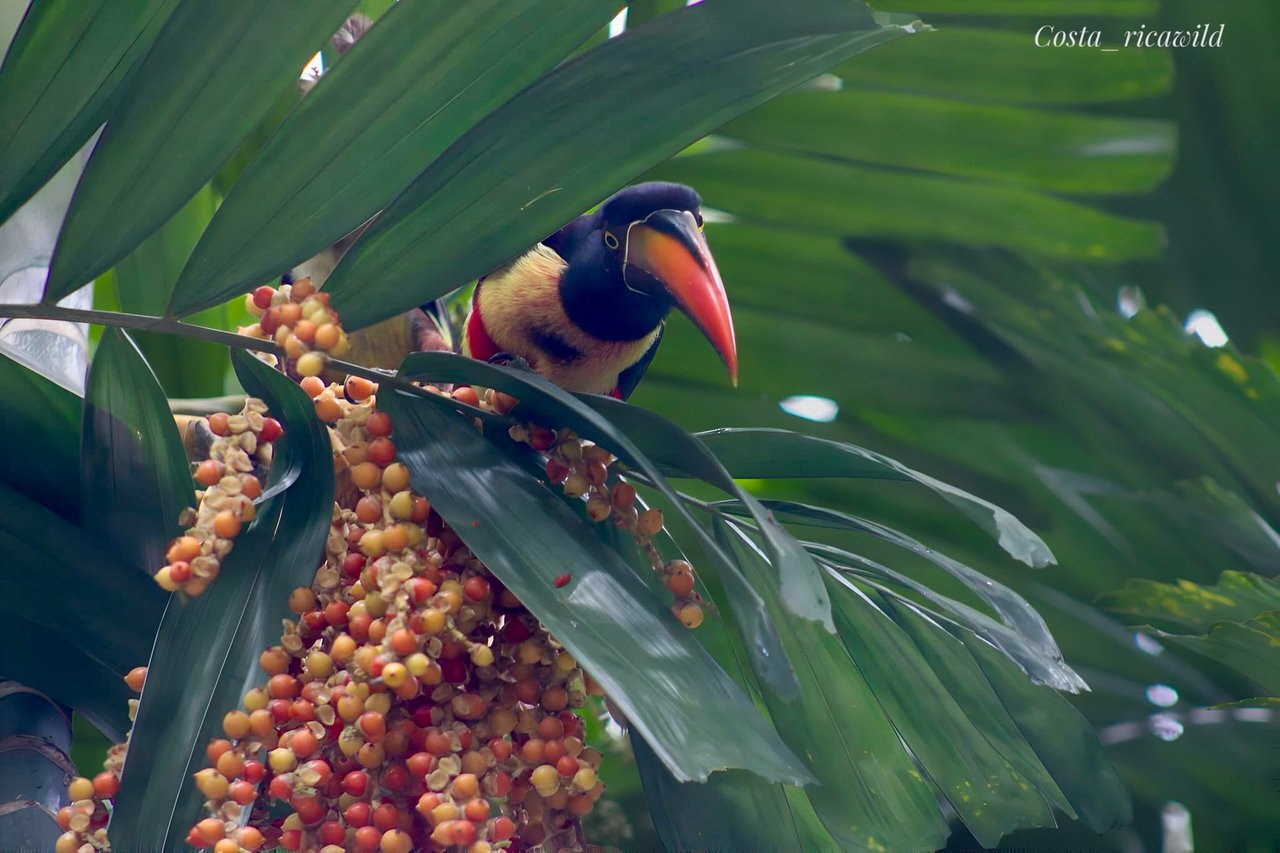
- Fiery-billed Aracari. A small toucan relative with a bill that looks hand-painted in orange and red.
- Northern Royal Flycatcher. A shy forest bird with a fan-shaped crest that it rarely shows, making any sighting a treat.
- White-whiskered Puffbird. A chunky, patient forest-edge bird that sits for long stretches, waiting for insects.
- Golden-naped Woodpecker. A handsome Pacific-slope woodpecker with a golden nape.
- Rufous-tailed Jacamar. An iridescent, hummingbird-shaped bird with a long, thin bill.
- King Vulture. Not what most people picture in a rainforest, this regal scavenger has a rainbow-colored head and soars high over the canopy.
Mangroves and River (The Tárcoles Area)
- Mangrove Hummingbird. The one to know. This threatened hummingbird is endemic to Costa Rica and found in the Pacific mangroves, including around Tárcoles. If you want a bird that exists nowhere else on the planet, this is it.
- Rufous-necked Wood-Rail. A rare, secretive rail of the mangroves, one of the more elusive birds on the river.
- American Pygmy Kingfisher. A tiny kingfisher, easily missed, that hunts along mangrove channels.
- Boat-billed Heron. A night-active heron with an enormous, scoop-shaped bill and wide, dark eyes.
- Roseate Spoonbill. Pink, improbable, and unforgettable in the river shallows.
- Double-striped Thick-knee. A strange, big-eyed, ground-dwelling bird that most people have never heard of.
- Wood Stork. A large wader frequently seen along the river and wetlands.
Coast and Ocean
- Magnificent Frigatebird. Dark-winged, forked-tailed, and often seen soaring overhead for hours without a single wingbeat.
- Brown Pelican. The beach town classic, dive-bombing the surf just beyond the breakers.
- Royal and Sandwich Terns. Common along the shoreline, especially around Playa Blanca and river mouths.
After Dark
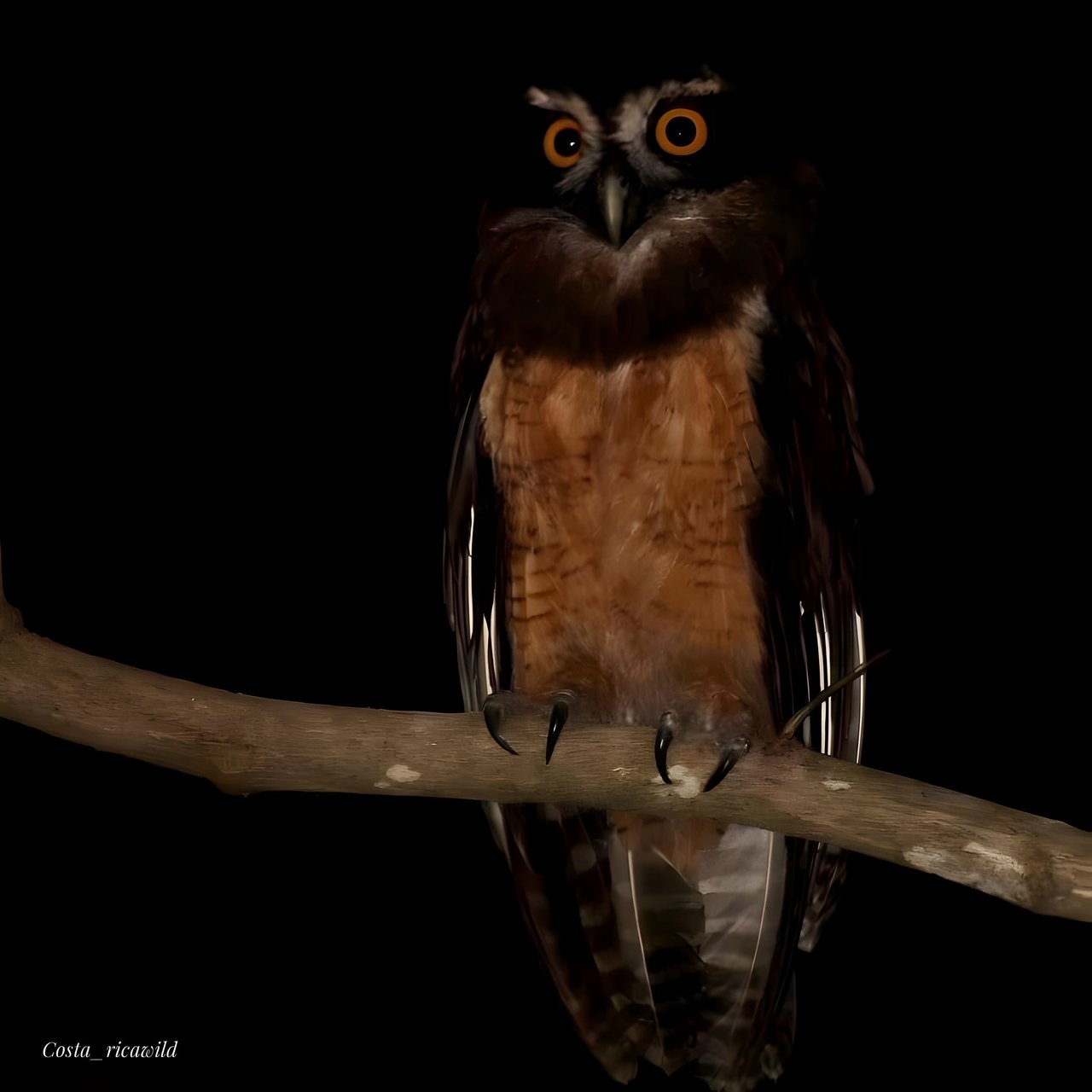
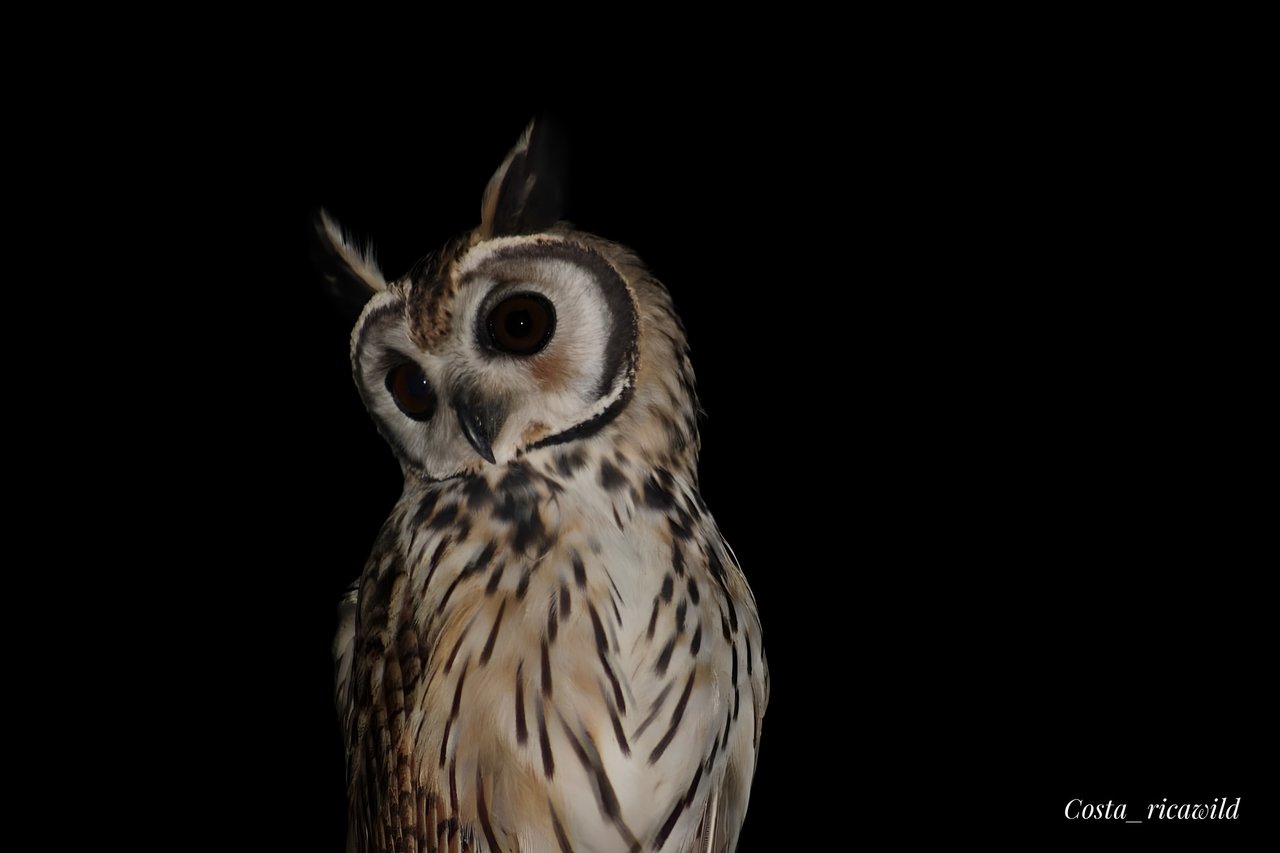
- Pacific Screech-Owl. Listen for it at dusk and after dark in forest-edge habitat around Jacó.
A note on honesty: this is a list of what's possible and regularly reported, not a guarantee. Birds are wild. Some of these (the cotingas, the ant-tanager, the wood-rail) are real targets that can take patience and a good local guide. Others, like pelicans and frigatebirds, you'll see from a beach chair.
Where to Go
Carara National Park (about 15 km / 30 minutes north). The anchor for forest birding. The paved, wheelchair-friendly Universal Trail is a good introduction, and the longer loops reward patient walkers. Entry typically requires online booking through the national park system, so check current requirements before you go.
The Tárcoles River and mangroves. Boat tours put you in mangrove habitat that's hard to access any other way, and the bridge over the river is famous for its crocodiles.
Playa Blanca and the coast. A good place for seabirds and, as local birding groups have reported, Mangrove Hummingbirds in the nearby vegetation.
Right in town. Don't skip your own neighborhood. Macaws, toucans, and trogons turn up in gardens and tree-lined streets, which is one reason our clients love South Jacó communities like the one we featured in our post on Jacó Gardens.
Tips From Locals
- Start early. Be on the trail by first light. By mid-morning, activity drops sharply.
- Bring binoculars and a field guide, or download a bird-ID app before you go. Phone cameras won't get you close enough.
- Hire a local guide for Carara and Tárcoles. A guide who knows the area will find the birds you'd miss, and your fee supports local conservation.
- Move slowly, speak quietly, and stay on the trail. Don't use playback calls to lure birds during nesting season; it stresses them.
- Pack for heat and bugs. Light long sleeves, a hat, water, sunscreen, and insect repellent.
- Log your sightings. Adding checklists to eBird helps researchers, and helps other birders find what's around.
If you'd like to connect with the local birding community, the Garabito Birdwatchers are a great resource for what's being seen around the canton right now.
A Birder's Real Estate: Living Where the Birds Are
We hear it constantly: "We came for the beach, and we stayed for the birds." If birding is part of why you're looking at Jacó, here's how it might shape your search:
- Gardens and mature trees matter. Fruiting trees and native plantings draw hummingbirds, toucans, and tanagers to your own backyard.
- Elevation and setting change the species. Hillside and forest-edge properties will host different birds than beachfront condos. If you want to bird without leaving home, a property with trees and quiet matters more than an ocean view.
- Proximity to Carara is an asset. Our Media Luna eco property in Bijagual, for example, sits on 3.6 acres near Carara's biological corridor, with fruit trees and river access that birds love.
- Hosting birders is a rental niche. Nature-focused travelers are a real and growing segment, and a property with good bird habitat, binocular-friendly balconies, and local guide connections can stand out in a crowded rental market. We cover realistic rental numbers in our Why Live and Invest in Jacó guide.
For the full picture of day-to-day life here, see our guides to local lifestyle in Jacó and the cost of living in Jacó.
Frequently Asked Questions
How many bird species can you see near Jacó? The eBird locality for Jacó lists more than 350 recorded species, and Costa Rica as a whole has over 900. Carara National Park alone is reported to host close to half the country's species.
What's the rarest bird you can see near Jacó? Targets include the Mangrove Hummingbird (endemic to Costa Rica), the Black-cheeked Ant-Tanager (endemic to Costa Rica), and the Yellow-billed Cotinga (endangered and near-endemic). None are guaranteed.
When can I see scarlet macaws near Jacó? Year-round, with best viewing early in the morning and late afternoon. February through April, the nesting season, is especially good.
Is Carara National Park worth visiting if I'm not an experienced birder? Absolutely. You'll see macaws, toucans, monkeys, and more on easy trails, and a guide will make it far more rewarding.
Do I need to book Carara in advance? Entry generally requires online booking through the national park system, so check current requirements before you go.
Can I birdwatch from my home in Jacó? In many neighborhoods, yes. Macaws, toucans, hummingbirds, and tanagers all turn up in gardens, especially where there are fruiting trees.
Come Find Your Own Perch
If you've ever dreamed of waking up to macaws, we'd love to show you what that looks like in practice. We've helped birders, nature photographers, and wildlife lovers find the right property on this coast for three decades, and we know which neighborhoods, gardens, and settings put you in the middle of it.
Read next:
- Jacó Costa Rica Wildlife Guide →
- Why Live and Invest in Jacó, Costa Rica →
- A Family Home Where the Mornings Start With Macaws →
- Playa Hermosa Costa Rica Real Estate Guide →
- Explore Jacó neighborhoods →
- Browse current listings →
- Read our complete Buyer's Guide →
📞 Call or WhatsApp Brooke: (506) 8718-5591 📞 Call or WhatsApp Daphne: (506) 6286-7556 Contact us online →
Pacific Properties Luxury Real Estate — Pastor Díaz Ave, Jacó, Puntarenas, Costa Rica 61101. Specialists in Jacó, Playa Hermosa, Herradura, Los Sueños, Esterillos, and the Central Pacific coast since 1994.
This article is intended as general educational content. Wildlife sightings are never guaranteed, and species availability varies by season, weather, and habitat. Park rules, entry requirements, and fees change; confirm current details with Costa Rica's national park system before you visit.
© 2026 Pacific Properties Luxury Real Estate. All rights reserved.